
About Us
Karin Leissing, PE
Principal Engineer, Blakeana Engineering 
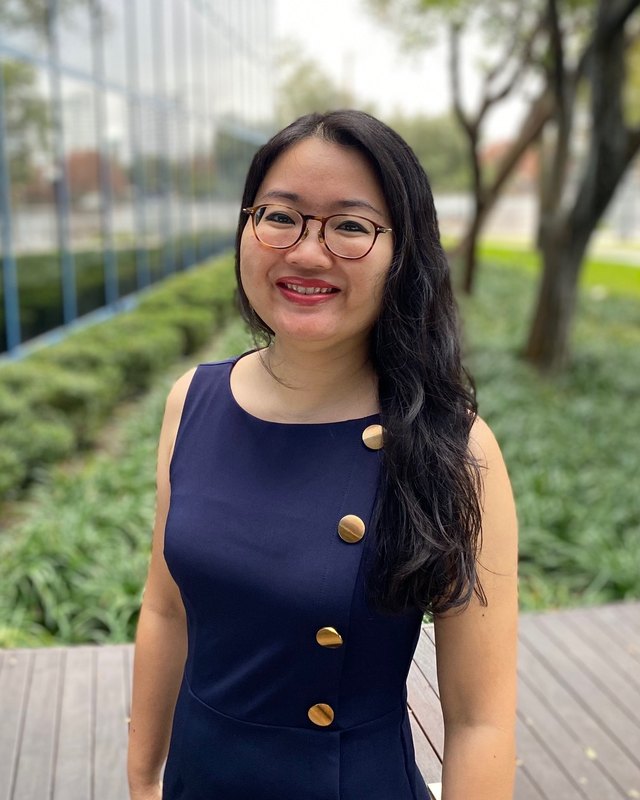
The Story Behind Blakeana Engineering
I started my engineering journey as a student intern in the Utilities Field Operations Department of a local government, working 32.5 hours per week while juggling several other jobs to put myself through undergraduate school. From EIT to PE, then Senior Engineer, and eventually building and leading my own team, I have experienced the profession from nearly every level.
One challenge has remained remarkably consistent throughout my career: the high demand for experienced, senior-level engineers and the persistent shortage of qualified talent, particularly in the civil engineering industry.
As a hiring manager, I experienced firsthand how difficult it can be to attract and secure qualified, experienced candidates, and how easily a firm can lose a promising candidate or valued employee to another opportunity. The disconnect between a candidate’s perceived market value and a firm’s budget constraints is one significant factor. Misalignment in workplace expectations and values, including differences across generations, presents another. Firms that fail to adapt to an evolving workforce often find it increasingly difficult to attract and retain the talent they need.
There is another pattern I have encountered throughout my career. Whenever I take on a new role, colleagues and industry contacts often reach out with some variation of the same sentiment:
“I didn’t know you were looking. I would have loved to hire you.”
I genuinely appreciate the confidence and trust behind those conversations. I have often wished there were a way to work with all of them. Then I started asking myself: Why should the traditional full-time employment model be the only way to access experienced engineering talent?
That question became the foundation of Blakeana Engineering.
Blakeana Engineering was established with a vision to address an age-old supply-and-demand challenge by adapting a fractional business model to the engineering industry. Through this model, we provide firms with access to experienced engineering expertise on an as-needed basis, offering an alternative to the traditional full-time employment model.
For engineering firms, this means an opportunity to improve operational efficiency by better aligning engineering capacity with project demand, reducing resource constraints, addressing workflow bottlenecks, and improving resource planning.
- Experience
- 19+ Years
- Licenses
- PE: Florida, Texas, Alabama
- FDEP Certified Stormwater, Erosion, and Sedimentation Control Inspector
- OSHA 10-Hour Construction Safety & Health
- Education
- MS, Industrial and Systems Engineering (Engineering Management), University of Florida
- BS, Civil Engineering, University of Central Florida
- Professional Membership
- Member, ASCE
- Appointments
- Vice Chair, Orange County Environmental Protection Commission
Project Types
Client and project names are kept confidential. Project examples are available upon request.
Residential
From single lots to master-planned communities.
Mixed-Use
Working within multidisciplinary teams, and leading them when needed.
Commercial
From basic outparcels to complex sites with incomplete due diligence, zoning, variances, easement disputes, easement vacations and right-of-way transfers.
Industrial
Institutional
Higher education, hospitals and correctional facilities.
Non-Profit
Federal
US Army Corps of Engineers, Department of Veterans Affairs and others.
Resorts and Hotels
From budget hotels to luxury resorts.
Themed Entertainment
In the US and abroad.
Data Centers
- Due diligence
- Test fits
- Enabling packages
- Shell and core
- Retrofits
Water Resources
- 100-year floodplain studies
- Floodplain encroachment and compensating storage
- Projects in coastal floodplains
- FEMA map changes: LOMA, CLOMR and LOMR
Root Cause Analysis
Technical subject matter resource supporting legal counsel on professional liability matters involving site civil and stormwater design. Analyzed design and construction records to find root causes and assess technical exposure. The findings supported dispute resolution and deposition preparation, and helped keep matters from going to litigation.